
Clear Answers When Your Pet Needs Imaging
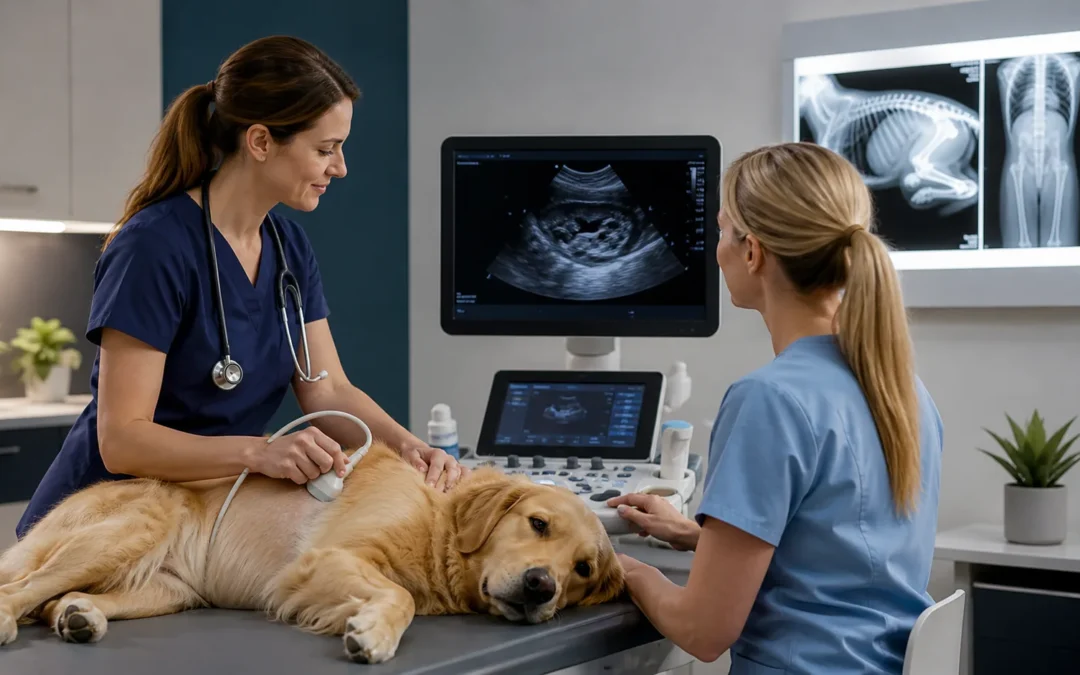
Diagnostic imaging helps us look beneath the surface when your pet’s symptoms, exam, or lab work point to a problem we cannot see from the outside. Radiology and ultrasound are both helpful tools, but they show us different things. One test is not automatically “better” than the other. The right choice depends on your pet’s signs, medical history, age, comfort level, and the body area we need to evaluate.
When a pet is limping, coughing, vomiting, eating less, acting painful, having urinary changes, or may have swallowed something, imaging can help us gather clearer information sooner. At Van Dyke Animal Clinic, we use a personalized, low-stress approach to help pets in Lutz feel as comfortable as possible throughout the diagnostic process.
Radiology Reveals Bones, Lungs, and Swallowed Objects
Radiology, often called X-rays or radiographs, creates images that are especially useful for viewing bones, joints, the chest, and some abdominal structures. Pet radiology services in Lutz may help us check for concerns that are not obvious during a physical exam.
X-rays can be a helpful first step for concerns such as:
- Sudden limping after play, a fall, or an injury
- Pain when standing, walking, or using a limb
- Coughing or breathing changes that need a view of the chest
- Vomiting or appetite changes when a swallowed item is possible
- Suspected fractures, arthritis changes, joint problems, or some dental concerns
For example, a pet that suddenly refuses to put weight on a leg may need radiographs to help us assess the bones and joints. If your pet is coughing, chest X-rays can give us a look at the lungs and heart area. Abdominal X-rays may also help us identify certain foreign objects, including a toy, bone, fabric item, or other material that should not have been swallowed.
Radiology is fast and noninvasive. Still, getting a clear image requires safe, steady positioning. Some pets need calm, gentle restraint, while others may need sedation because of pain, fear, or difficulty staying still. We always consider your pet’s comfort and safety when making that recommendation.
An X-ray is only one piece of the picture. Not every health concern shows up clearly on radiographs, so we interpret the images along with your pet’s symptoms, exam findings, and any lab work.
Ultrasound Shows Soft Tissues in Real Time
Ultrasound uses sound waves, not radiation, to create moving images of internal organs and soft tissues. This allows us to look more closely at areas that may be harder to assess with X-rays alone, including the bladder, kidneys, liver, spleen, intestines, and other abdominal organs.
Because the images are created in real time, ultrasound can help us observe movement within the body and identify changes in soft tissues. It may be useful when we are investigating:
- Abdominal discomfort, swelling, or fluid buildup
- Changes in urination or possible bladder stones
- Organ enlargement or unusual changes in the liver, kidneys, or spleen
- Digestive concerns, including ongoing vomiting or appetite loss
- Possible masses, pregnancy, or certain heart-related concerns
During an ultrasound visit, we may need to shave a small area so the probe can make close contact with the skin. Most pets can remain awake and comfortable for the exam. If anxiety, pain, or movement could make imaging difficult, we may discuss sedation to help keep the experience safe and calm.
Often, ultrasound and radiology work well together. X-rays may show an enlarged area in the abdomen or raise concern about an obstruction. Ultrasound can then give us a closer view of the organs and soft tissues involved, helping us decide what diagnostic or treatment steps may be appropriate.
Choosing the Right Test for Your Pet’s Symptoms
The symptoms your pet is having often guide our imaging recommendation. Pet radiology services in Lutz may be a first choice when we need to evaluate bones, joints, the chest, or possible foreign material. Ultrasound may be more helpful when we need a detailed look at abdominal organs, the urinary system, or other soft tissues.
A few common examples include:
- Sudden limping, pain after a fall, or trouble standing may call for X-rays of bones and joints.
- Coughing or breathing concerns may lead us to recommend chest radiographs.
- Ongoing vomiting, abdominal swelling, unexplained weight loss, or urinary changes may lead to an ultrasound.
- A possible obstruction or unclear finding may require both tests for a fuller picture.
October brings extra hazards for curious pets. Halloween candy wrappers, costume pieces, decorations, small toys, and other nonfood items can be tempting to chew or swallow. If you think your pet may have eaten an object that does not belong in their stomach, prompt veterinary guidance matters. X-rays can often help us locate certain objects, while ultrasound may help us assess the digestive tract when an obstruction is a concern.
Difficulty breathing, repeated vomiting, collapse, severe pain, or a suspected toxin or foreign-object emergency needs immediate veterinary attention. Waiting for signs to worsen can make it harder to understand what is happening and choose the right care.
What to Expect During Your Pet’s Imaging Visit
Before imaging, we begin by learning as much as we can about your pet’s condition. We may ask about recent activity, changes in appetite, diet, medications, possible injuries, and access to household hazards. A careful exam and conversation help us decide whether radiology, ultrasound, lab work, or another diagnostic step makes the most sense.
Preparation can vary by test. For an abdominal ultrasound, we may ask you to withhold food beforehand, depending on why we are evaluating your pet. It is always important to confirm instructions with us and share any health conditions or medications that could affect sedation decisions.
Our low-stress approach includes calm handling, individualized comfort measures, and clear communication before we proceed. Some pets need sedation for safe positioning, pain management, or clearer images. When that is recommended, we will explain why and answer your questions so you understand what to expect.
Imaging is not the final answer by itself. After reviewing the findings, we will discuss what they may mean for your pet and whether monitoring, medication, additional testing, surgery, or referral may be needed.
Timely Imaging Can Support Informed Pet Care
Radiology and ultrasound each provide important information. X-rays can help us assess bones, joints, lungs, and certain swallowed objects, while ultrasound gives us a closer look at organs and soft tissues. In many situations, using both tools helps create a more complete picture.
Unexplained symptoms, injuries, and possible foreign-object ingestion deserve timely attention. Clear imaging findings can help guide the next step, while your pet’s comfort, symptoms, and overall health remain central to every decision.
Clear Answers for Your Pet’s Next Step
At Van Dyke Animal Clinic, we use diagnostic tools thoughtfully to help clarify what may be affecting your pet. Learn how our pet radiology services in Lutz can support a more informed care plan. If you have questions about your pet’s diagnostic needs, contact us to discuss an appointment.