
A Clear Recovery Plan Brings Peace of Mind
Soft tissue surgery recovery is easier to manage when you know what to watch for and how to support your pet at home. These procedures may involve the skin, abdomen, internal organs, lumps, wounds, or other concerns that do not involve bones. Because each procedure is different, recovery can look different, too.
At Van Dyke Animal Clinic, we know your pet’s age, health history, activity level, and ability to rest can all affect healing. Working with a soft tissue surgery veterinarian in Lutz gives you personalized discharge instructions, medication guidance, and follow-up recommendations before your pet comes home. Clear communication helps you feel ready to notice small changes, protect the incision, and know when to ask our veterinary team for help.
The First 48 Hours Set the Recovery Pace
The first couple of days after surgery are often quiet ones. Your pet may seem sleepy, less interested in food, mildly uncomfortable, unsteady on their feet, or simply more reserved than usual. Anesthesia and pain medication can affect pets in different ways, so we will explain what is expected for your pet’s procedure.
A calm recovery space can make those first hours much easier. Set up a spot that keeps your pet comfortable and limits extra activity. We often recommend:
- Soft bedding in a quiet area
- Easy access to fresh water
- Limited stairs and slippery floors
- Separation from playful pets and energetic children
- A place where you can keep a close eye on them
Follow our feeding instructions closely, especially if your pet feels nauseated or needs a slow return to regular meals. Give every prescribed medication exactly as directed, even if your pet seems to be feeling better. Human pain relievers and over-the-counter products can be dangerous for pets, so only give medications we have approved for them.
Protect Incisions During Everyday Routines
Keeping the incision safe is one of the biggest parts of recovery. Many pets naturally want to lick, chew, scratch, or rub the area. Unfortunately, that attention can bring bacteria to the incision, loosen sutures, and slow the healing process.
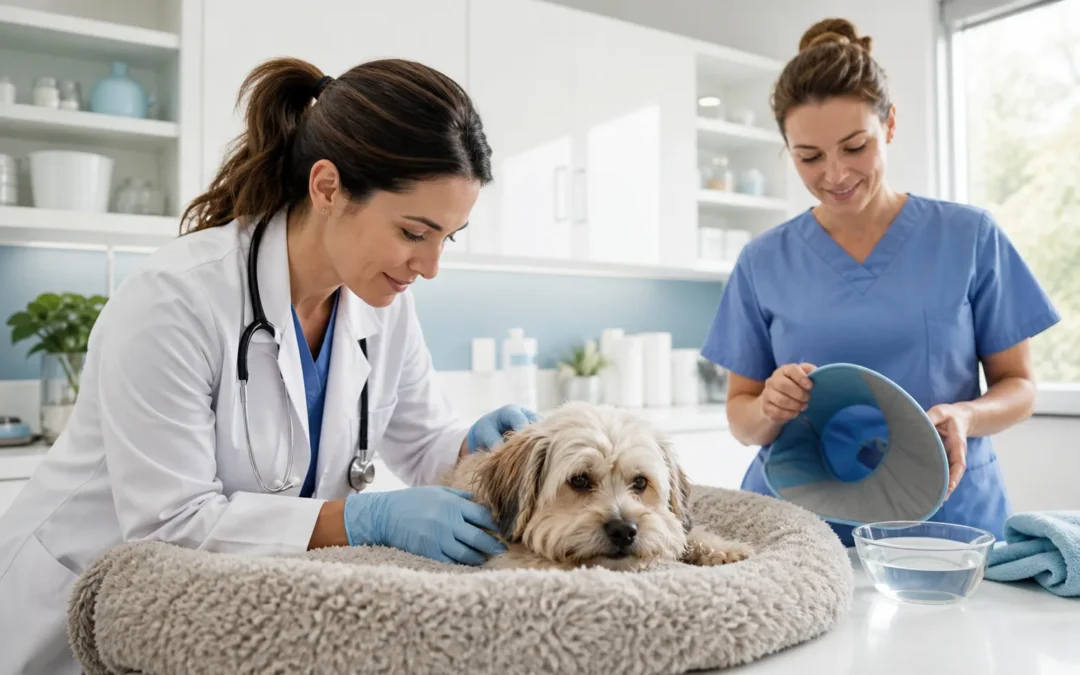
Elizabethan collars, recovery suits, and other veterinarian-approved protective options can help prevent this. Some pets need a little time to adjust, but it is important to leave the protective item in place as instructed. A few minutes of licking can create a problem that takes much longer to fix.
Daily routines may need to change for a while, too. We may recommend leash-only bathroom breaks and a break from active play. Depending on the procedure, your pet may also need to avoid:
- Running through the house or yard
- Jumping on furniture
- Wrestling with other pets
- Climbing stairs repeatedly
- Rough play, fetch, or long walks
As your soft tissue surgery veterinarian in Lutz, we can adjust activity limits based on your pet’s procedure and healing progress. Even pets that seem full of energy still need time to rest beneath the surface.
Watch for Changes That Need Veterinary Care
Checking the incision once a day in good lighting can help you catch changes early. During the first few days, mild redness, slight swelling, or minor bruising may be part of normal healing. Try not to touch, clean, or disturb the area unless we have told you to do so.
Certain changes deserve a prompt call to our clinic. Let us know if you notice increased redness, warmth, discharge, bleeding, a bad odor, missing sutures, or an incision that appears to be opening. We also want to hear from you if your pet has persistent vomiting, refuses food, seems extremely tired, has trouble urinating, or shows signs that their pain is not controlled.
Your instincts matter. You know your pet’s usual personality, habits, and comfort level better than anyone. If they seem significantly different from what we described at discharge, it is always better to ask for guidance instead of waiting for a scheduled recheck.
Help Your Pet Heal Comfortably This Fall
Late October in Lutz can bring Halloween visitors, doorbell activity, decorations, candy, costumes, and early holiday travel planning. Those changes can be exciting for the family, but they may be overwhelming for a pet who needs quiet rest after surgery. Keeping your recovering pet in a peaceful room away from guests and front-door activity can reduce stress and help protect the incision from accidental bumps or jumping.
Before busy fall plans begin, make sure you understand your pet’s follow-up needs and have enough medication on hand. If travel is coming up, plan carefully for your pet’s care and recovery routine. Consistent meals, medication times, rest periods, and gentle supervision can give your pet the calm, steady support they need while healing.
Clear Answers for Your Pet’s Next Steps
At Van Dyke Animal Clinic, we are here to answer questions and provide attentive care tailored to your pet’s needs. If your pet needs evaluation or treatment, schedule with a soft tissue surgery veterinarian in Lutz who can help you understand the options. For personalized guidance, contact us to discuss your pet’s care.