
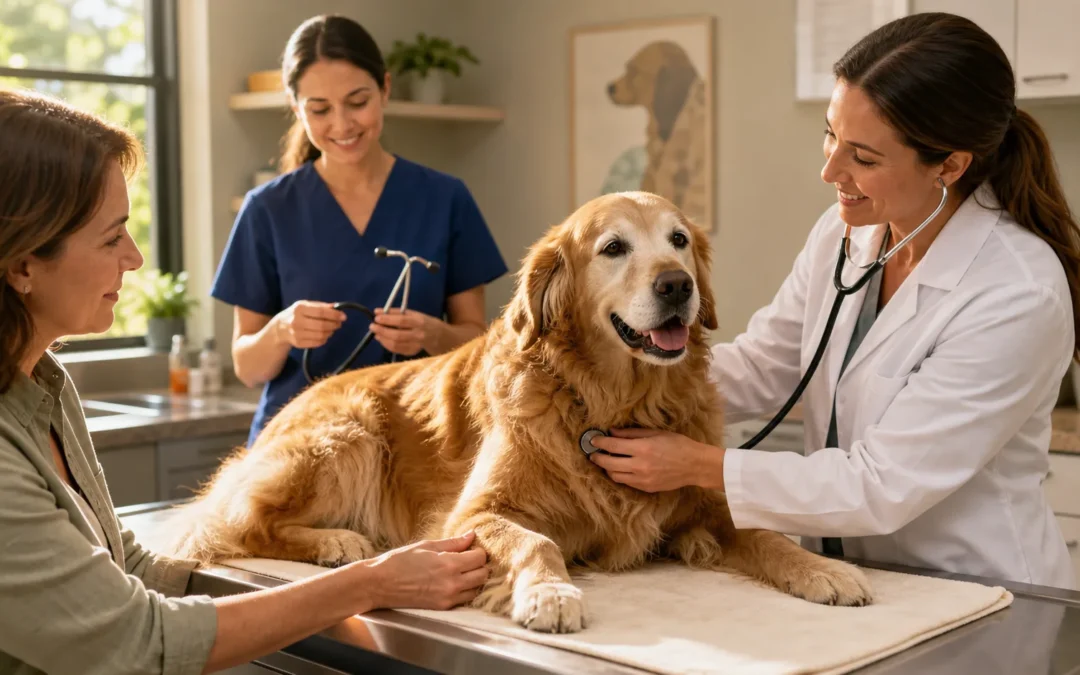
Senior pets can stay playful, loving, and involved in family life for many years. The key is noticing changes early and discussing them before they grow into bigger concerns. Aging looks different for every dog and cat, depending on factors such as breed, size, medical history, and daily routine.
Fall is a helpful time to pause and look at your pet’s habits before holiday travel, visitors, changing schedules, and more time outdoors. For families in Lutz, this season can be a good reminder to make preventive care part of the end-of-year plan.
Help Your Senior Pet Thrive Through Every Season
Aging is not a single moment when a pet suddenly becomes “old.” It is a gradual process, and some changes are easier to spot than others. A large dog may need closer monitoring at a different age than a small dog, while a cat may seem unchanged for a long time before subtle habits begin to shift.
At Van Dyke Animal Clinic, we believe senior care should leave room for real conversations. Our low-stress setting, personalized approach, and modern in-house diagnostic capabilities help us learn more about each pet’s needs and help you make informed decisions. A wellness visit is not just about finding problems; it is also about supporting comfort, activity, and connection through every stage of life.
Subtle Changes Can Reveal Important Health Needs
Pets are often very good at hiding discomfort. A dog may still wag their tail even when getting up is harder than it used to be. A cat may continue using the litter box while quietly dealing with changes that deserve attention. That is why small details from home can be so helpful during a senior visit.
Please mention changes such as:
- Sleeping more or seeming less interested in walks, play, or favorite toys
- Eating less, eating more, drinking more water, or having new food preferences
- Accidents indoors, changes in litter box habits, or trouble getting outside in time
- Restlessness at night, pacing, new vocalization, or changes in social behavior
- A shift in grooming, coat quality, breath, body odor, or body weight
It helps us when you can share when a change first started, how often it happens, and whether it seems to be getting more noticeable. A brief note on your phone can make it easier to remember the details that matter.
Behavior changes should not automatically be brushed off as “just old age.” Pain, dental disease, vision or hearing changes, cognitive changes, and metabolic conditions can all affect how a pet acts at home. We can evaluate the full picture and discuss what may be contributing to the change.
Make Every Pet Wellness Exam in Lutz More Meaningful
A pet wellness exam in Lutz should be a thoughtful review of your senior pet’s health, not simply a quick check from nose to tail. During an appointment, we may review medical history, weight, body condition, medications, supplements, diet, and daily habits. We also examine areas that can reveal changes over time, including the heart, lungs, eyes, ears, mouth, skin, joints, and abdomen.
Diagnostic screening often becomes more useful as pets age because it can help establish a baseline or bring attention to concerns before more obvious signs appear. Depending on your pet’s individual needs, we may recommend testing such as bloodwork, urinalysis, fecal testing, blood pressure checks, or other diagnostics. Recommendations should fit your pet, rather than following a one-size-fits-all checklist.
Coming prepared can help us make the most of the visit. Consider bringing:
- A current list of medications, supplements, and feeding details
- Notes about mobility, appetite, thirst, sleep, and bathroom habits
- Questions about preventive care, nutrition, or behavior changes
- Photos or videos of limping, coughing, pacing, or trouble standing up
Some concerns do not show up during an exam room visit. A short video of your pet slipping on a floor or hesitating at the stairs can provide useful context for our conversation.
Protect Mobility, Comfort, and Everyday Joy
Senior pets may adjust their routines long before they show clear signs of pain. You might notice your dog avoiding the sofa, taking stairs more slowly, or walking at a different pace. Cats may stop jumping to familiar perches, spend more time in one room, or become less interested in play.
These shifts can be connected to joint discomfort, arthritis, muscle loss, neurologic concerns, or other conditions that need professional attention. Healthy weight, appropriate nutrition, safe activity adjustments, and veterinarian-guided pain management can all be part of a comfort plan. We can discuss what makes sense based on your pet’s age, mobility, and overall health.
Quality-of-life conversations also belong in senior wellness care. We encourage families to talk openly with us about sleep, appetite, favorite activities, social engagement, comfort, and daily routines. Those details help us focus on what matters most to your pet and your family, including the small things that make a day feel happy and familiar.
Prepare for Fall and Holiday Routine Changes
Florida’s fall calendar often brings more outdoor time, longer walks, travel plans, houseguests, and holiday gatherings. Even when a senior pet is eager to join in, they may tire sooner after unfamiliar activity or feel sore after doing more than usual. A gradual return to longer outings can be easier on aging bodies.
Holiday routines can also be stressful for older pets. New people in the home, loud gatherings, altered meal times, rich foods, decorations, and travel can all disrupt a pet’s normal rhythm. October is a practical time to review medication refill needs, dietary routines, preventive care, travel plans, and ways to support calm, comfortable days at home.
Thoughtful planning gives you more room to enjoy the season together. Paying attention to your senior pet’s energy, comfort, and daily habits can help you make choices that protect the routines they enjoy most.
Support Your Senior Pet’s Ongoing Comfort
At Van Dyke Animal Clinic, we can help you monitor age-related changes and tailor care to your pet’s needs. A pet wellness exam in Lutz gives us an opportunity to review your pet’s health, mobility, nutrition, and any concerns you have noticed. If you have questions about your senior pet’s care, contact us to discuss the next steps.