
Pets are skilled at hiding pain. A dog or cat may still eat well, greet you at the door, and enjoy quiet time nearby while avoiding movements that feel uncomfortable. When pain develops slowly, those small changes can be easy to miss.
September in Lutz can still bring plenty of heat and humidity, which may mean more indoor time and fewer long walks or play sessions. That makes it especially important to notice when your pet’s usual habits change. At Van Dyke Animal Clinic, we can evaluate the source of discomfort and determine whether laser therapy for pets in Lutz may fit into a personalized care plan.
Help Your Pet Move More Comfortably Every Day
Getting older does not automatically mean a pet should slow down dramatically or struggle with everyday movement. While some changes can happen with age, stiffness, hesitation, or reduced activity may point to discomfort that deserves veterinary attention.
Dogs may avoid walks because their hips, knees, paws, or back hurt. Cats may quietly stop jumping onto a favorite windowsill because landing has become uncomfortable. Since pets cannot tell us exactly where they hurt, their daily routines often provide the best clues.
Lingering early-fall warmth can make it harder to spot a problem. If your pet is spending more time resting indoors, it may seem normal that they are less playful. Still, a pet who consistently avoids stairs, furniture, games, or regular walks may need more than extra rest.
Laser therapy is a noninvasive option that may support comfort, mobility, and healing for some pets. Before recommending any treatment, we look at the full picture, including your pet’s symptoms, health history, movement, and the possible cause of pain.
Notice the Subtle Signs of Ongoing Pain
Pain does not always look like a loud cry or a sudden limp. Sometimes it appears as a pause before moving, a shorter walk, or a pet who seems less excited about activities they once loved. Intermittent signs are worth noting, especially when they become more frequent.
Common mobility changes we encourage you to watch for include:
- Limping or favoring one leg
- Stiffness after sleeping or resting
- Slowing down during walks or play
- Hesitating before stairs, jumping, or getting into the car
- Difficulty standing up or settling into a comfortable position
Behavior can change, too. A pet in pain may sleep more, pull away from touch around a tender area, or become restless at night. Some pets pant without recent exercise, seem less social, or become unusually irritable around people or other pets. These shifts are sometimes brushed off as moodiness, but they can be meaningful clues.
Cats deserve special attention because their pain is often quiet. A cat may stop grooming thoroughly, miss the litter box because getting in is uncomfortable, hide more often, or resist handling. Instead of assuming your cat is simply becoming less affectionate, pay attention to what has changed.
Keeping a simple note on your phone can be helpful. Record when you notice limping, what activities your pet avoids, and whether symptoms seem worse after rest or activity. When you share those details with us, we can build a clearer picture of what your pet may be experiencing.
See When Laser Therapy May Support Healing
Laser therapy uses specific wavelengths of light on targeted areas of the body. As part of a veterinarian-guided plan, it may support the body’s natural healing response, help with inflammation, improve circulation in treated tissues, and provide pain relief for some pets. Every pet responds differently, so treatment results and timing can vary.
Depending on the diagnosis, we may discuss laser therapy for pets in Lutz for concerns such as:
- Osteoarthritis and joint discomfort
- Hip pain, muscle strains, or soft tissue injuries
- Back discomfort and mobility concerns
- Recovery after surgery or injury
- Dental discomfort and certain ongoing inflammatory conditions
Laser therapy is not meant to replace a complete diagnosis. Pain can have many causes, from arthritis and dental disease to injury or an underlying medical concern. We may recommend laser therapy alongside medication, weight management, rehabilitation exercises, surgery, dental care, or other treatment based on what your pet needs.
That individualized approach matters. Supporting a pet’s comfort is important, but understanding why they are hurting helps us make thoughtful recommendations for both short-term relief and long-term care.
Understand What a Pet Laser Therapy Visit Involves
The first step is always an evaluation. During your pet’s visit, we review their symptoms, medical history, movement, and the areas that seem painful or stiff. If needed, we may recommend diagnostic testing to help identify the cause of discomfort before deciding whether laser therapy is appropriate.
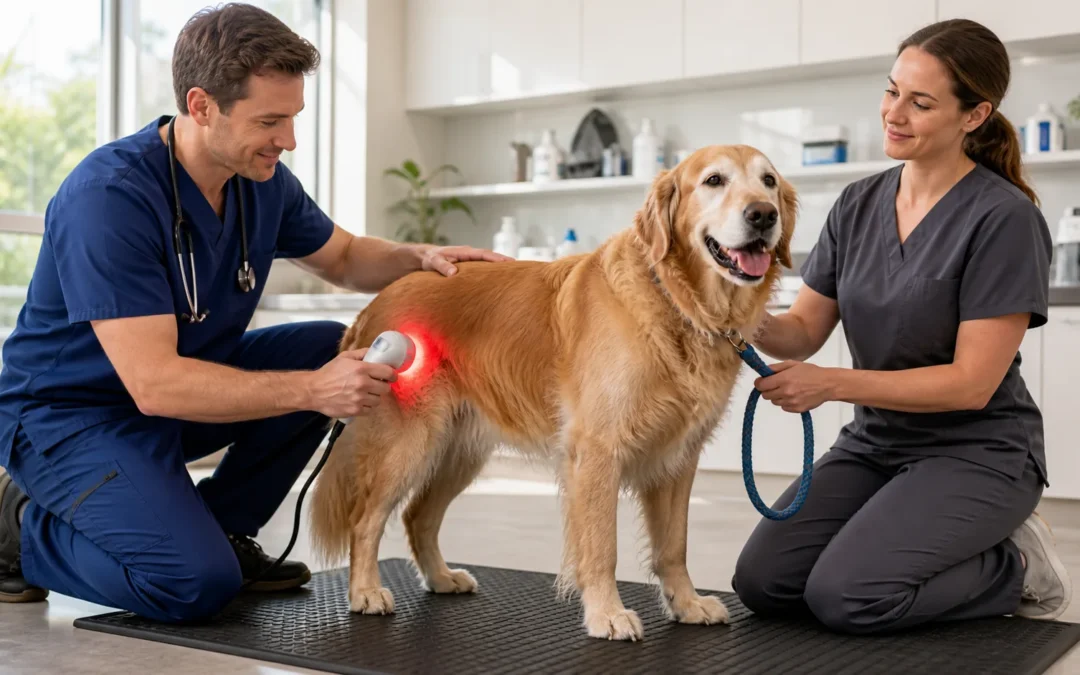
Treatment sessions are noninvasive and generally quiet, which can be a good fit for our low-stress care environment. Your pet rests while our veterinary team applies the laser to specific areas. We use protective measures throughout the visit and work carefully to help your pet stay as comfortable as possible.
Some pets may benefit from a series of sessions, particularly when dealing with ongoing conditions such as arthritis. Others may receive treatments during recovery from surgery or an injury. As we monitor your pet’s response, we can adjust the plan based on changes in mobility, comfort, and daily function.
It is helpful to keep expectations realistic. Laser therapy may be one part of care, not a stand-alone answer for every type of pain. Our goal is to create a plan that makes sense for your pet’s diagnosis, temperament, and quality of life.
Support Your Pet’s Comfort Before Pain Takes Over
Waiting until pain severely limits daily life can make it harder for a pet to stay active and comfortable. Early attention to limping, stiffness, behavior changes, reduced activity, or trouble with normal routines can help us identify concerns before they lead to more strain on other joints and muscles.
Pets deserve to feel comfortable during every season, including Florida’s still-warm early fall months. If something about your companion’s movement or behavior feels different, a veterinary evaluation can help you better understand their needs and consider whether laser therapy may be a helpful part of their care.
Help Your Pet Move More Comfortably
At Van Dyke Animal Clinic, we can discuss whether laser therapy for pets in Lutz may support your companion’s comfort and mobility. Our team will take the time to evaluate your pet’s individual needs and answer your questions. Contact us to schedule an appointment.