
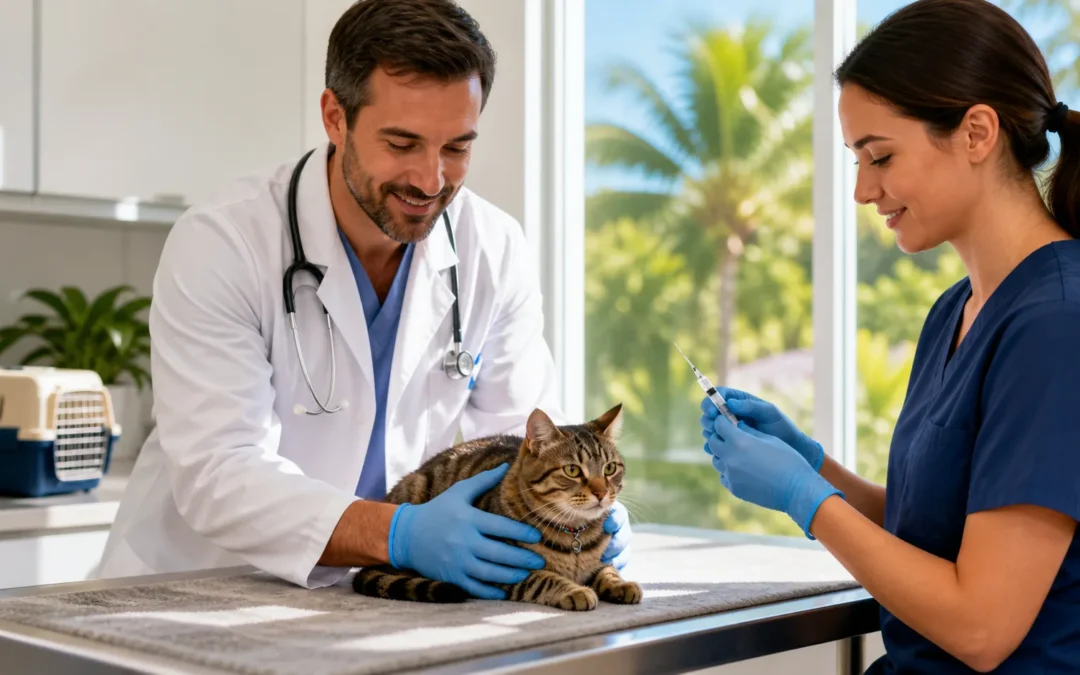
Why Indoor Cats Still Need Routine Vaccinations in Lutz
Indoor living can lower a cat’s exposure to many everyday risks, but it does not make exposure impossible. We often hear from families who feel their cat never goes outside, so vaccines may not be needed. In reality, unexpected events can change a cat’s risk quickly, and routine vaccination helps us prepare before that happens.
Our goal is never a one-size-fits-all plan. We look at your cat’s age, health, lifestyle, previous vaccines, and possible future exposures so we can discuss thoughtful protection that fits their needs.
Indoor Cats Encounter More Risks Than You Think
Germs do not always need an outdoor cat to enter the home. Particles can sometimes come inside on shoes, clothing, hands, pet carriers, or items that have been around other animals. That does not mean an indoor cat will become sick, but it does show why preventive care still matters.
Accidental escapes are another concern. A guest may leave a door open, a screen may become damaged, or a storm-related disruption may create an unexpected opportunity for a curious cat to slip outside. Even a brief outing can bring contact with unfamiliar cats, wildlife, or areas used by other animals.
Cat vaccinations in Lutz can be especially helpful because a cat’s lifestyle can change without much warning. A cat who stays indoors today may later need boarding, join a multi-pet household, travel with the family, or spend time in a new environment.
Common situations that may change a cat’s exposure include:
- An unexpected escape through a door, window, or damaged screen
- A veterinary visit or stay away from home
- A newly adopted cat joining the household
- Contact with wildlife near a patio, garage, or screened area
Core Vaccines Create a Helpful Safety Net
Core feline vaccines are commonly recommended because they help protect against serious, contagious illnesses. One common core vaccine is FVRCP, which helps protect against feline viral rhinotracheitis, calicivirus, and panleukopenia. These illnesses can spread between cats and may cause significant symptoms.
Rabies vaccination also deserves careful attention, including for cats that live indoors. Cats can have unexpected contact with bats or other wildlife near the home. Rabies is a serious disease that can affect animals and people, and vaccine requirements may apply based on local or state rules. We can help you understand current recommendations for your cat.
Not every vaccine is appropriate for every cat. For example, feline leukemia virus vaccination may be discussed based on factors such as a cat’s age, access to the outdoors, contact with other cats, or possible future exposure. Personalized recommendations help us avoid making broad assumptions about what every cat needs.
During a vaccine conversation, we may review:
- Your cat’s past vaccination record
- Their current indoor or outdoor routine
- Contact with visiting pets or newly adopted cats
- Boarding, travel, or pet-sitting plans
- Any past vaccine reactions or health concerns
Fall Can Bring New Exposure Opportunities
Fall often brings a busier family calendar in Lutz. Holiday travel, visitors, school routines, and pet care arrangements can all create changes that were not part of your cat’s usual day. A cat may need to stay somewhere new, meet a pet sitter, or have more visitors coming through the house.
Florida’s warm climate also means wildlife activity can remain a concern throughout the year. Bats, stray cats, and other animals may be present around homes, garages, patios, and outdoor living spaces. An indoor cat who gets out briefly or has contact with wildlife near the home may face risks their family did not expect.
Staying current on cat vaccinations in Lutz before the fall and holiday season can reduce last-minute uncertainty. A routine wellness visit gives us time to review records, talk through lifestyle changes, and discuss whether your cat’s current plan still makes sense.
Routine Visits Keep Care Personal
Vaccination visits are about more than a shot. They also give us an opportunity to check in on your cat’s overall health, weight, behavior, dental needs, and changes that may be easy to miss at home. Cats are skilled at hiding discomfort, so regular preventive visits can be a useful time to talk about even small changes you have noticed.
At Van Dyke Animal Clinic, we believe clear conversations and low-stress care matter for both pets and families. We can review your cat’s history, listen to your concerns, and explain our recommendations in plain language. A kitten, senior cat, newly adopted cat, and cat preparing for boarding may each need a different discussion.
Routine care also helps us plan ahead. Instead of making vaccine decisions during an urgent moment, we can consider your cat’s needs while they are comfortable in their normal routine.
A Proactive Plan Supports Every Life Stage
An indoor-only lifestyle is a meaningful part of keeping your cat safe, but it is only one layer of protection. Routine preventive care gives you a chance to revisit that plan as your household, travel habits, and cat’s needs change over time.
Keeping vaccine records current and discussing lifestyle changes early can make unexpected situations less stressful. A personalized conversation with a trusted veterinary team can help you make informed choices for your cat at every stage of life.
Make Preventive Care Simple for Your Cat
At Van Dyke Animal Clinic, we can help you create a vaccination plan that fits your cat’s needs and routine. Learn about cat vaccinations in Lutz and the preventive services we provide. When you are ready to arrange your cat’s visit, contact us to get started.