
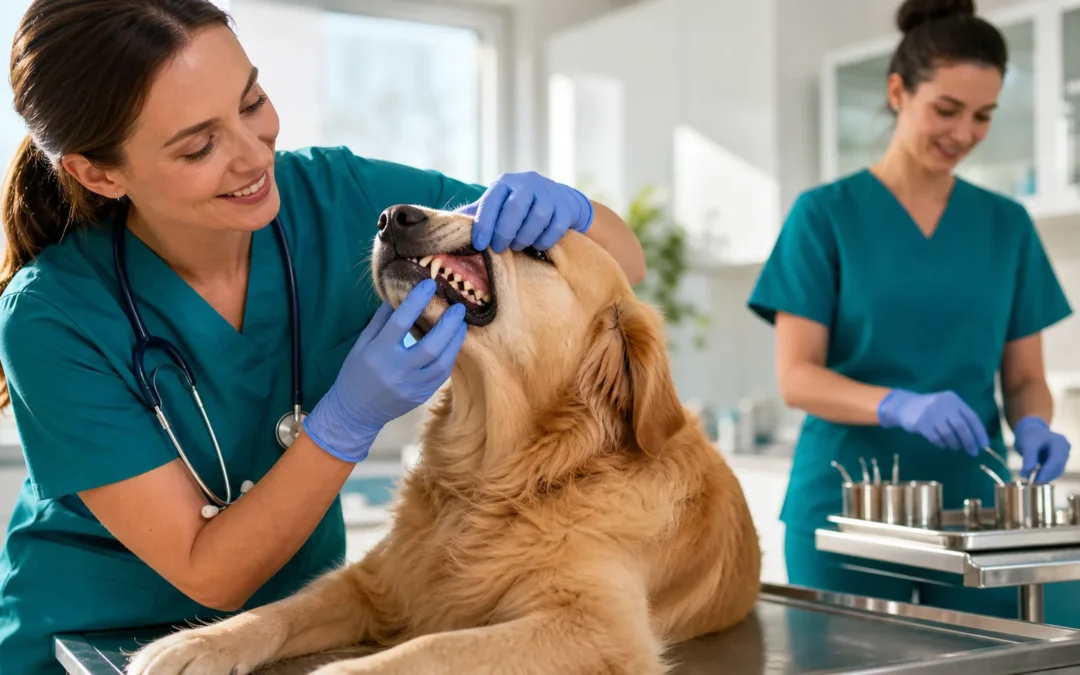
Protect Your Pet’s Smile Before Problems Hurt
Dental disease can be easy to miss because pets are remarkably good at hiding discomfort. A dog or cat may still eat, play, and greet you at the door while plaque, tartar, or gum inflammation is quietly building in the mouth. Preventive dental care gives us a chance to look for concerns before they become painful and harder to manage.
Many pet owners ask us the same question: if my pet seems fine, do they really need a dental cleaning? The answer depends on the individual pet, but a healthy-looking mouth does not always mean a healthy mouth. Trouble can be present below the gumline, where it is difficult to see without a thorough veterinary examination.
Routine dental evaluations allow us to assess your pet’s mouth with personalized care, clear communication, and modern diagnostic tools when needed. Late summer can be an especially helpful time to plan ahead, before fall routines, holiday travel, boarding plans, and end-of-year veterinary visits fill the calendar.
Dental Disease Often Starts Before You See It
Periodontal disease often begins with a sticky film of plaque on the teeth. Over time, plaque can harden into tartar, irritate the gums, and create spaces where bacteria can collect below the gumline. Even teeth that look fairly white from the outside may have problems developing where you cannot see them.
Pets may show small changes that are easy to brush off as picky eating or normal aging. Because many animals continue eating despite oral pain, waiting for a dramatic sign can mean waiting longer than is comfortable for your pet.
Possible signs of oral discomfort include:
- Bad breath that seems stronger than usual
- Chewing mostly on one side or dropping food
- Avoiding crunchy treats or hard toys
- Pawing at the mouth or rubbing the face
- Becoming less interested in play or more irritable
When dental disease progresses, it can lead to loose teeth, gum recession, tooth loss, and ongoing inflammation. We use regular wellness visits as an opportunity to look at the mouth and talk through anything we notice. Our recommendations are never one-size-fits-all. Your pet’s age, breed, health history, lifestyle, and current oral condition all matter when deciding whether professional dental care may be appropriate.
Prevention Can Be Easier Than Treating Painful Disease
A preventive cleaning is different from treatment for advanced dental disease. When we can address plaque and tartar before there is extensive infection or damage, your pet may be less likely to need more involved procedures later. Early attention can also help avoid the discomfort that comes with painful teeth and inflamed gums.
Some pets are more likely to need dental attention sooner or more often. Small-breed dogs, senior pets, flat-faced breeds, pets with crowded teeth, and animals with a history of dental disease may be more prone to buildup. Still, every mouth is different, which is why an examination is the best starting point.
Brushing at home and veterinary-approved dental products can support daily oral health, but they cannot remove hardened tartar or show us what is happening below the gumline. For pet owners searching for pet dental cleaning in Lutz, we provide individualized recommendations after a complete oral assessment. Rather than waiting for bad breath or obvious pain, bring up dental health during your pet’s next wellness visit so we can help determine the right timing.
What a Professional Cleaning Includes
Before a dental cleaning, we examine the teeth, gums, bite, and oral tissues. We also look for signs of infection, broken teeth, unusual growths, retained baby teeth, and other concerns that may need closer attention. This assessment helps us create a care plan that fits your pet instead of treating every dental visit the same way.
Professional dental care allows for a complete cleaning and examination in a controlled setting. Anesthesia is used so we can safely clean areas above and below the gumline, carefully assess the mouth, and reduce stress for your pet during the procedure. Appropriate monitoring is part of planning a safe, thorough visit.
A professional cleaning commonly includes:
- A veterinary oral examination before the procedure
- Anesthesia and monitoring during the cleaning
- Scaling plaque and tartar from above and below the gumline
- Polishing the teeth after scaling
- A detailed assessment for hidden dental concerns
Some dental problems cannot be seen just by looking at the surface of a tooth. Advanced in-house technology, including dental imaging when appropriate, can help us identify concerns such as damaged roots, bone loss, or teeth that look normal above the gumline but are unhealthy beneath it. When you choose pet dental cleaning in Lutz with our team, we explain preparation instructions, expected recovery, and home-care recommendations in clear, practical language.
Late Summer Is a Smart Time to Plan Care
August can feel full for families in Lutz. Between humid summer days, back-to-school schedules, end-of-summer trips, and changing routines, it is easy for a non-urgent veterinary concern to slip down the list. Dental health is often one of those concerns because pets rarely tell us plainly when something hurts.
Planning a dental evaluation in late summer can help you address concerns before fall events, holiday travel, boarding arrangements, or the busy year-end season. It also gives you time to refresh your pet’s home dental routine with guidance that fits their needs. We can discuss pet-safe toothbrushing methods, dental diets, chews, water additives, and other veterinary-approved options when appropriate.
Pet dental cleaning in Lutz should always begin with a veterinary assessment, especially if your pet has a heart condition, chronic illness, medication needs, or past anesthesia concerns. A personalized plan helps us consider your pet’s full health picture while keeping comfort and safety at the center of care.
Make Dental Health Part of Your Pet’s Wellness Plan
Severe bad breath, bleeding gums, visible tartar, appetite changes, and loose teeth should not be the first reason dental care comes up. By then, your pet may already be dealing with discomfort. A regular oral evaluation can help identify concerns earlier and guide the next steps based on what your pet truly needs.
Keep an eye on small changes in eating, chewing, breath, and behavior, and mention them during wellness visits. Staying ahead of dental disease can help protect your pet’s comfort, appetite, and everyday quality of life.
Support A Healthier Smile With Preventive Care
At Van Dyke Animal Clinic, we can help you determine the right dental care schedule for your pet’s individual needs. Explore our options for pet dental cleaning in Lutz and learn how professional care can support lasting oral health. If you have questions or would like to arrange an appointment, contact us today.