
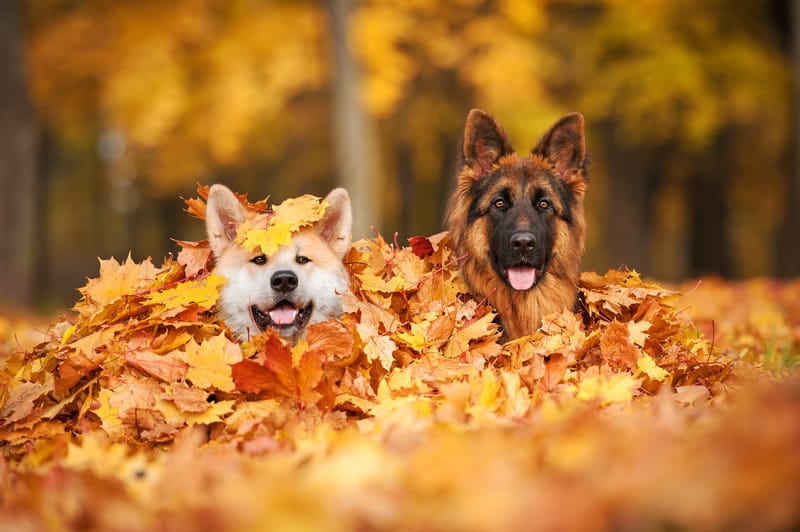
As autumn arrives, cooler temperatures, vibrant foliage, and festive gatherings bring a welcome change of season. However, autumn also presents distinct fall hazards for animals that every pet parent needs to keep in mind. At Van Dyke Animal Clinic, our goal is to help pet owners keep their furry family members safe, happy, and healthy year-round.
Below is an essential guide to autumn dangers and how timely veterinary care can protect your pets.
1. Autumn Foods and Toxic Treats
Seasonal treats and holiday baking often introduce hidden dangers into the household:
- Chocolate, Baked Goods, and Xylitol: Holiday desserts frequently contain cocoa or xylitol (an artificial sweetener found in sugar-free goods). Both can cause severe toxicity, liver failure, or rapid drops in blood sugar.
- Grapes and Raisins: Found in many fall breads and trail mixes, grapes and raisins can trigger acute kidney failure in dogs.
- Onions and Nutmeg: Common cooking ingredients like onions can damage red blood cells, while high doses of nutmeg can lead to neurological issues.
If ingested, these toxic treats often cause symptoms like vomiting, diarrhea, excessive drooling, or severe stomach upset.
2. Yard Toxins, Mushrooms, and Rodenticides
As outdoor activity shifts toward winter prep, household chemicals and toxic plants become common hazards:
- Antifreeze: As car owners prep for cooler weather, antifreeze spills become a major threat. Its sweet taste attracts pets, but even tiny amounts can cause fatal kidney failure.
- Wild Mushrooms and Mold: Moist fall soil fosters wild mushrooms and decaying leaf piles with mold. Certain mushroom species are highly toxic, leading to organ failure or gastrointestinal distress.
- Toxic Plants: Common seasonal flora like chrysanthemums and the autumn crocus can cause severe oral irritation, heart problems, or severe digestive disruption.
- Rodenticides: As rodents search for warm winter shelter, homeowners frequently put out poisons. Rodenticides pose a high risk of secondary poisoning if ingested by pets.
3. Pests, Snakes, and Allergies
Autumn doesn’t mean outdoor pests completely vanish:
- Ticks and Parasites: Ticks remain active in cooler weather under leaf piles and tall grasses. Continuing year-round flea and tick prevention is critical.
- Snakes: Cold-blooded animals like snakes search for warmth before hibernation. Encountering venomous species can result in dangerous bites.
- Seasonal Allergies: Falling pollen and decaying leaves can trigger seasonal allergies, leading to itching, watery eyes, or mild respiratory issues.
4. Cold Weather, Senior Pets, and Joint Health
Dropping temperatures affect older animals significantly:
- Arthritis and Mobility: Cold weather can exacerbate joint stiffness in senior pets. Watch for difficulty standing or walking.
- Trip Hazards and Visibility: Shorter daylight hours reduce outdoor visibility. Use reflective collars and supportive harnesses during evening walks to avoid trip hazards and keep pets secure.
5. Costumes and Festive Hazards
Halloween and seasonal dress-up introduce unique physical risks:
- Costumes: Festive outfits should fit properly and not restrict movement or breathing. Watch for small buttons, ties, or decorative pieces that can become choking hazards or cause internal blockages if swallowed.
Protect Your Pet with Van Dyke Animal Clinic
When seasonal risks arise, quick action makes all the difference. If your pet ingests a dangerous substance or shows signs of distress, seek immediate attention from a trusted veterinarian.
At Van Dyke Animal Clinic, we offer compassionate, comprehensive veterinary care tailored to every stage of your pet’s life. Contact us today to schedule a routine wellness checkup, update seasonal preventative care, or learn more about protecting your companion this autumn!