
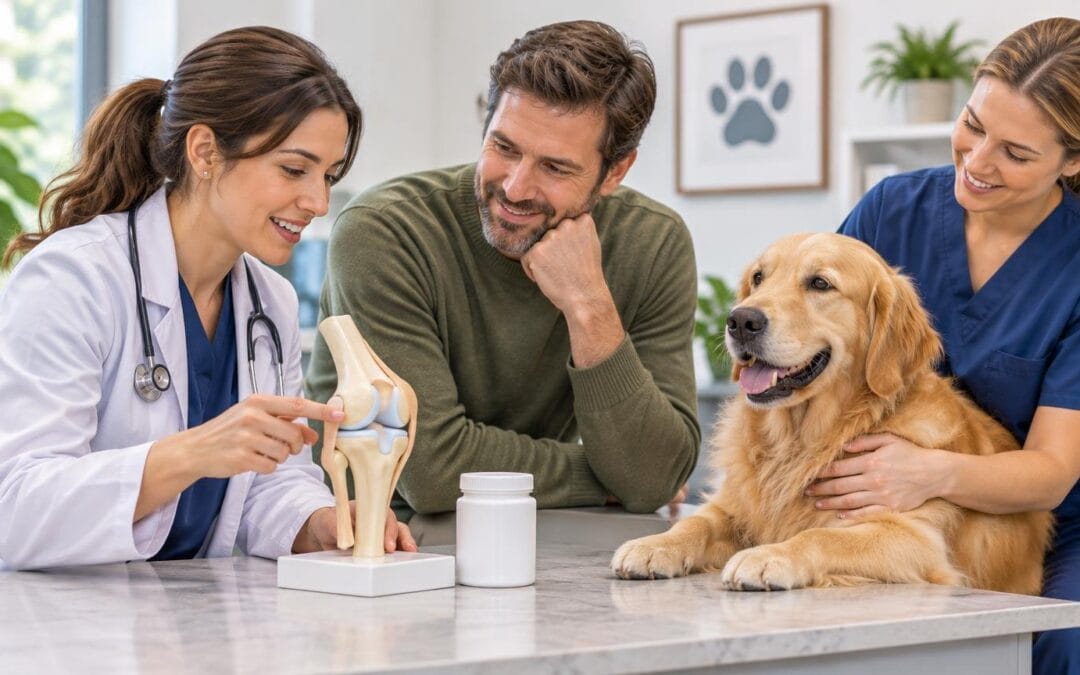
Choosing between surgery and medical management can feel overwhelming when your pet is hurting or acting unlike themselves. These options are not opposites, and one is not automatically better than the other. Both can play an important role in protecting your pet’s comfort, mobility, and quality of life.
The right path depends on the diagnosis, your pet’s age, overall health, lifestyle, symptoms, and response to earlier treatment. At Van Dyke Animal Clinic, we take a low-stress, personalized approach, helping Lutz families understand the available options before making a decision.
Start with a Clear Diagnosis and Treatment Goals
Before we recommend surgery or ongoing medical care, we need to understand what is causing the problem. Similar symptoms can come from very different conditions. Limping, for example, may be linked to arthritis, an injury, a torn ligament, or another issue that needs a different type of care.
Our exams, bloodwork, digital imaging, and in-house diagnostic tools can help us look more closely at the source and severity of a pet’s condition. From there, we consider whether the problem is sudden or long-lasting, stable or getting worse, and likely to cause permanent harm without treatment.
A sudden injury, intestinal blockage, or torn ligament may call for a different approach than a manageable skin condition, early arthritis, or a mild digestive concern. Treatment goals matter just as much as the diagnosis. Some pets need a procedure that corrects the problem, while others benefit most from reducing pain, improving movement, or managing a chronic condition over time.
Your observations at home are a meaningful part of that conversation. We encourage you to share changes you have noticed, including:
- Appetite or water intake changes
- Trouble getting up, walking, jumping, or using stairs
- Hiding, restlessness, or behavior changes
- Vomiting, chewing changes, or discomfort during meals
- Changes in play, sleep, or interest in family activities
When Medical Management May Protect Comfort and Mobility
Medical management is not simply “doing nothing” about a condition. It is an active care plan built around your pet’s diagnosis and daily needs. Depending on the concern, we may recommend prescription medication, a therapeutic diet, weight management, activity adjustments, dental care, monitoring, and follow-up visits.
This approach may be appropriate for many chronic conditions, as well as pets who are not ideal surgical candidates at that time. We often use medical care to help manage arthritis, allergies, mild infections, endocrine disorders, and certain gastrointestinal concerns. Medical treatment may also be used before surgery to stabilize a pet or after a procedure to support healing.
Consistency is a big part of success. Medications need to be given as directed, and follow-up visits allow us to see how your pet is responding. A plan that worked well a few months ago may need to change if pain increases, mobility declines, appetite shifts, or your pet’s quality of life changes.
Sometimes medical management is the long-term answer. Other times, it is a first step that gives us useful information before deciding whether surgery would offer a better outcome.
When Pet Surgery in Lutz, FL May Offer a Lasting Solution
Surgery may be recommended when it can correct an underlying problem, relieve ongoing pain, prevent an emergency, or improve comfort over the long term. While every pet’s needs are different, procedures may be considered for concerns such as a mass, an injury, a foreign-body obstruction, certain dental diseases, or routine spay and neuter care.
Pet surgery in Lutz, FL starts well before the procedure itself. We begin with a careful evaluation of your pet’s overall health. An exam, pre-anesthetic testing, and an individualized anesthesia plan help us prepare for the safest approach based on your pet’s specific medical needs.
It is normal to feel concerned about anesthesia, pain, and recovery. We understand that your pet is a loved member of your family, not just a patient. Modern monitoring and pain-management protocols are important parts of surgical care, and clear discharge instructions can help you know what to expect once your pet is home.
Recovery may include rest, activity limits, medication, incision checks, and follow-up appointments. Some procedures involve a shorter recovery period than others, so we will discuss the expected home-care needs before you move forward.
Compare Daily Care, Recovery, and Long-Term Needs
The least invasive option is not always the best long-term choice. In some situations, waiting on a recommended procedure can allow pain or damage to worsen, leading to more difficult treatment later. In other cases, conservative care can provide excellent comfort and function without surgery.
It helps to compare each option based on what it means for your pet and your household. Surgery often involves a procedure, a recovery period, activity restrictions, medication, and rechecks. Medical management may involve long-term prescriptions, regular monitoring, routine adjustments, and lifestyle changes at home.
During a consultation, we recommend asking clear questions so you can make an informed choice. Helpful topics include:
- What outcome can we reasonably expect?
- What could happen if we wait or choose another option?
- What does recovery look like at home?
- Which changes should prompt an urgent call to our team?
- How will we know whether the current plan is working?
There is no benefit in rushing a decision when your pet is stable, but there can be risks in delaying care when symptoms are progressing. Our role is to explain the options plainly and help you weigh what each choice may mean for your pet’s comfort, safety, and daily life.
Plan Care Before the Holiday Season
Late November can bring travel, visitors, gatherings, and changed routines. Planning ahead is especially helpful if your pet has been showing signs of pain, reduced mobility, vomiting, appetite changes, dental discomfort, lumps, or unusual behavior. Addressing concerns early may help prevent added stress during an already busy time of year.
Pay close attention to small changes, because pets do not always show discomfort in obvious ways. A thoughtful exam and a clear treatment plan can help you make decisions with your pet’s comfort, mobility, and quality of life at the center.
Support Your Pet With Confident Next Steps
At Van Dyke Animal Clinic, we can help you understand whether surgery may be appropriate for your pet’s specific condition. Learn about pet surgery in Lutz, FL and the care involved before and after a procedure. To discuss your pet’s needs with our team, contact us today.